
Why Quality Can’t Wait: Lessons from Decades of Software Development
Software teams face constant pressure to deliver more features in less time. As software becomes the primary driver of product innovation, engineering organizations must balance development speed, cost, quality, and increasingly complex requirements. The challenge is familiar – how do you move faster without creating technical debt that slows you down later?
Damian Packer, Global Overlay Sales Manager for Polyspace at MathWorks, reflects on lessons from a 35-year career that spans software development, sales, and management across startups and large corporations. Through stories from the early days of Simulink and a venture-backed startup, he shares a simple but powerful insight: sacrificing quality to save time often creates the very delays teams are trying to avoid.
The Illusion of Moving Fast
One of Packer’s earliest lessons came while helping develop a major new graphics architecture for MATLAB in the 1990s. The project introduced capabilities that modern users now take for granted like graphical user interfaces and object-oriented graphics programming. The team focused heavily on delivering new functionality and assumed quality would naturally follow as features came together.
As development progressed, however, the project accumulated bugs, feature requests, and dependencies from internal teams. Developers spent increasing amounts of time troubleshooting issues instead of building new capabilities. Eventually, this led to a pause on feature development so that the team could focus exclusively on fixing defects and stabilizing the software.
Looking back, Packer describes the experience as a turning point, “If you think you’re moving really fast as a developer, but you’re not paying attention to quality throughout, it’s a temporary illusion.”
The lesson has stayed with him. Teams cannot defer quality until the end of a project without giving something up. In this case, the cost was time. What initially felt like rapid progress eventually slowed the project and pushed release schedules further into the future.
Shift Verification Earlier
Packer encountered a similar challenge a decade later at a cybersecurity startup. The company needed to move quickly to establish itself in a competitive market, so development focused on building features and reaching customers as fast as possible. Quality assurance entered the process later.
That decision created new obstacles. QA teams had to write tests for features they did not build. Developers had limited time to help new testers understand the code. The organization had to build verification processes while simultaneously preparing for commercial deployment. Although the company ultimately succeeded, the experience reinforced another important lesson – verification works best when it becomes part of development, not something added afterward.
According to Packer, verification should happen “early, often, and by software developers.” Teams gain the most value when engineers receive immediate feedback and address issues while the code is still fresh in their minds.
Software Complexity Continues to Grow
The challenges Packer faced early in his career are still relevant today. Today’s engineering teams manage larger code bases, more integrated system architectures, cybersecurity requirements, shorter release cycles, and increasing use of AI-generated code. At the same time, software has become a competitive differentiator across industries, from automotive and aerospace to medical devices and consumer products.
Packer notes that many products in daily life, from cars to aircraft to consumer electronics and appliances, are now defined as much by their software as by their physical components. That reality raises the stakes for software quality. Defects can lead to project delays, costly rework, certification challenges, security vulnerabilities, dangerous recalls, and detrimental damage to a company’s reputation. Organizations can no longer afford to treat quality as a final checkpoint before release. They need processes that maintain confidence as software complexity grows.
Building Quality into the Development Process
The lessons Packer shares may have originated from projects decades apart, but they lead to the same conclusion. Teams that build quality into development move faster than teams that try to add it later. Finding defects earlier reduces rework, limits technical debt, and gives engineers more time to focus on innovation instead of debugging.
To help organizations achieve that goal, six “game changers” for software verification can be introduced.
- Proving the absence of runtime errors (bugs that can cause software to crash or behave unexpectedly) with formal methods (code proving)
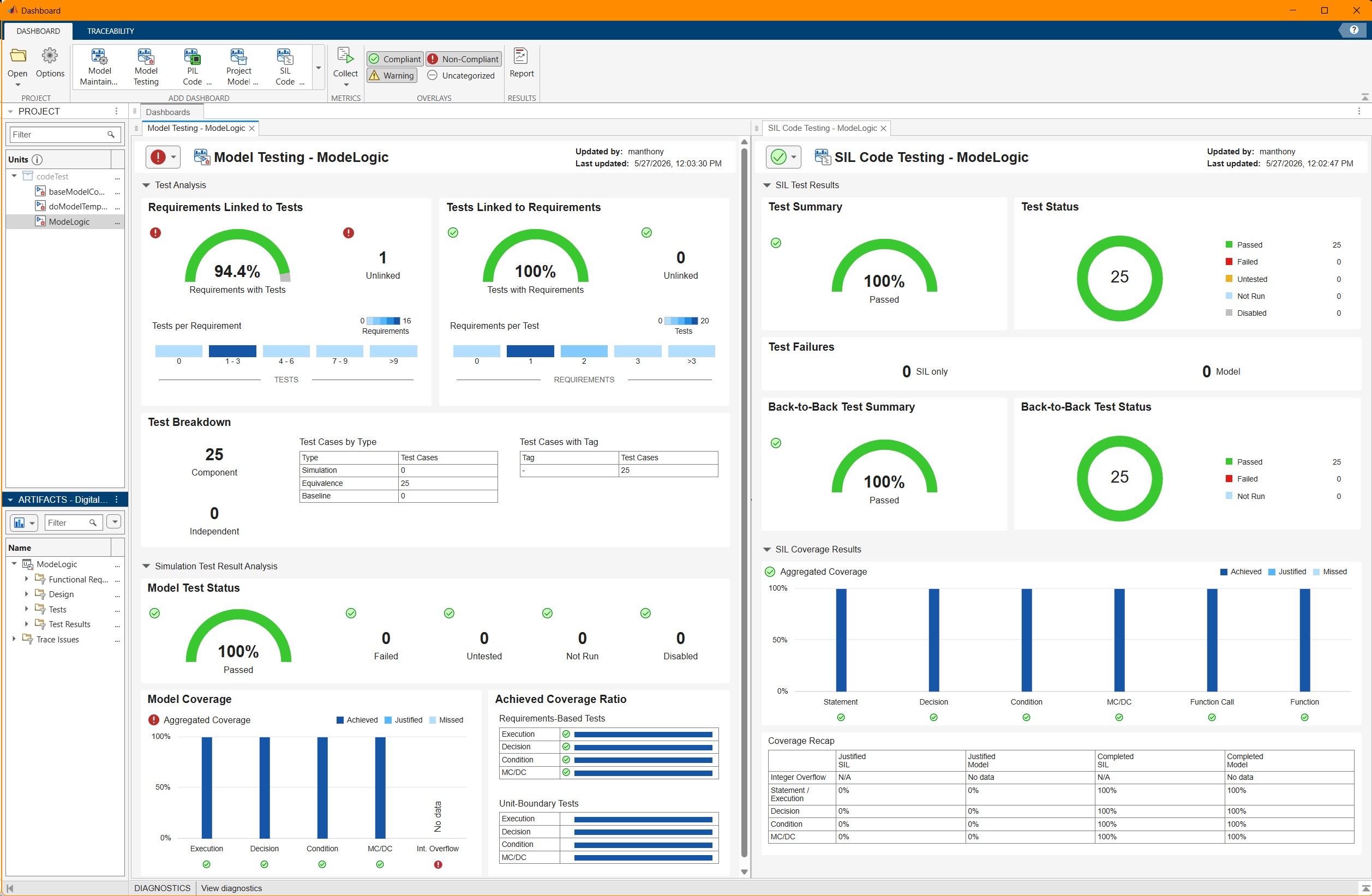
- Combining static analysis, dynamic testing, and code proving
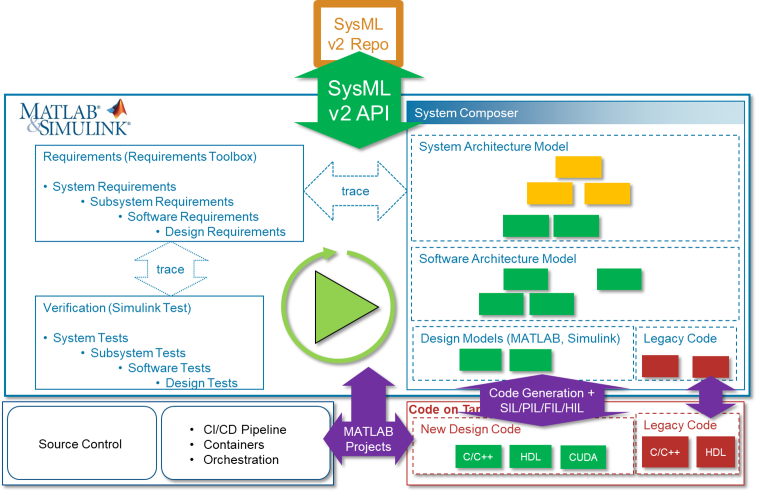
- Connecting verification to model-based design workflows featuring automatic code generation
- Providing developers immediate code quality feedback in the IDE (“shift left” verification)
- Performing advanced analysis for issues such as security, memory, and concurrency defects
- Automating verification across CI/CD pipelines
Together, these practices help teams improve quality while maintaining development velocity. All six game changers are available through the Polyspace product family. By integrating verification directly into the development process, teams can identify issues earlier, reduce risk, and spend less time chasing defects late in the cycle.
As software continues to shape the products and systems we rely on every day, the ability to build quality in from the start may be one of the most important competitive advantages an engineering team can have.
Watch the full presentation: Zero Defect Code – Game Changers for Engineers


댓글
댓글을 남기려면 링크 를 클릭하여 MathWorks 계정에 로그인하거나 계정을 새로 만드십시오.