
Simulating a Hybrid PVT-Chiller System for Maximum COP in Jordan’s Hot Summers
For today’s blog, we’re joined by Dr. Heba Al Zaben, Eng. Adham Yacoub, Eng. Waleed Mohamadieh, Eng. Omar Faire, and Eng. Khaled Al Halab from AlHussein Technical University, whose project earned second place for Best Use of MATLAB & Simulink at the Twelfth National Parade for Technology Competition. They share how they modeled and optimized a hybrid PVT-chiller system to improve cooling efficiency in Jordan’s extreme summer climate – over to you.
Introduction
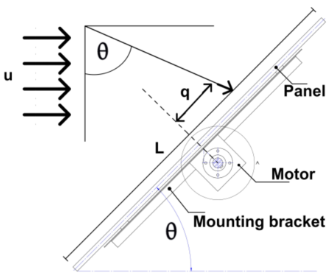
The subject of this study is the development and analysis of an air-cooled chiller integrated with photovoltaic-thermal (PVT) system, as Jordan experiences very hot summer climate conditions (with mean daytime temperatures around 30–35 °C and peak temperatures often exceeding 40 °C) and has a demand for sustainable energy solutions. The goal of this study was to improve overall energy efficiency by utilizing both electrical and thermal output of the PVT panels to satisfy the high cooling demand of the summer climate. To simulate the entire system, a detailed MATLAB/Simulink model was developed by implementing real-time climatology data for Jordan. This research further explored the system configuration parameters by focusing on the parameters that have the greatest affect on hybrid system performance. Drawing on past research studies and technical studies, the study discussed the effects of PVT panel’s tilt angle; cross-sectional area of mist nozzles used for surface cooling; mass flow rate of cooling mist; and mass flow rate of air over the PVT surface. The theoretical study then presented the effects of each of the variables to understand the distinct and combined effects on electrical efficiency, thermal efficiency, and cooling performance through expanded simulations.The goal of the analyses was to optimize the configuration of the system in order to achieve maximum energy output performance.
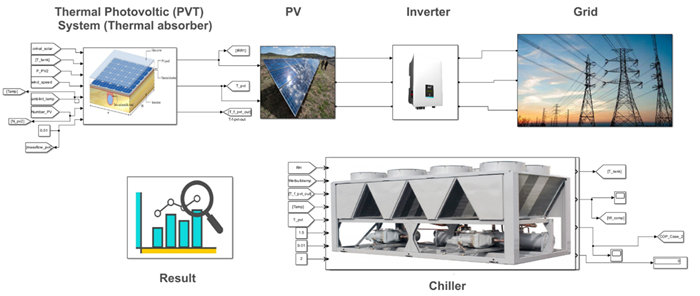
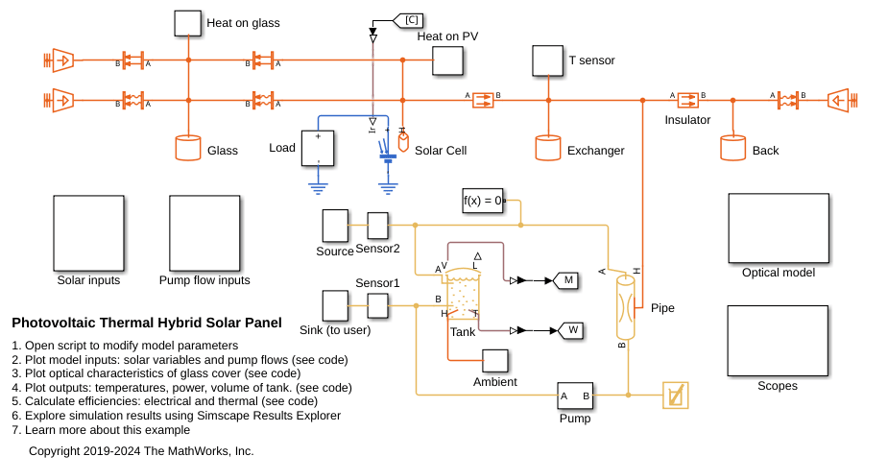
Figure 1: Simulink model of the proposed hybrid PVT system integrated with air-cooled chiller, pre-mist system, and heat exchanger.
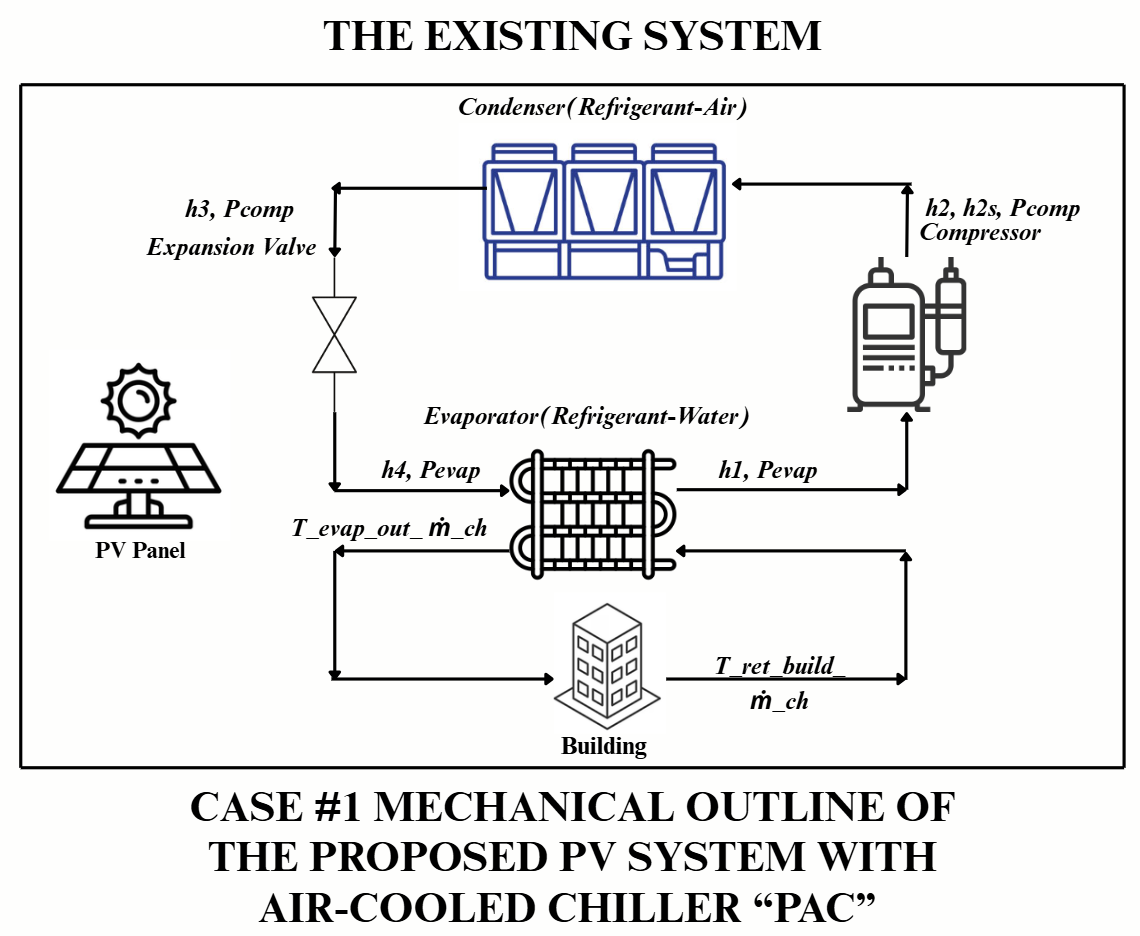
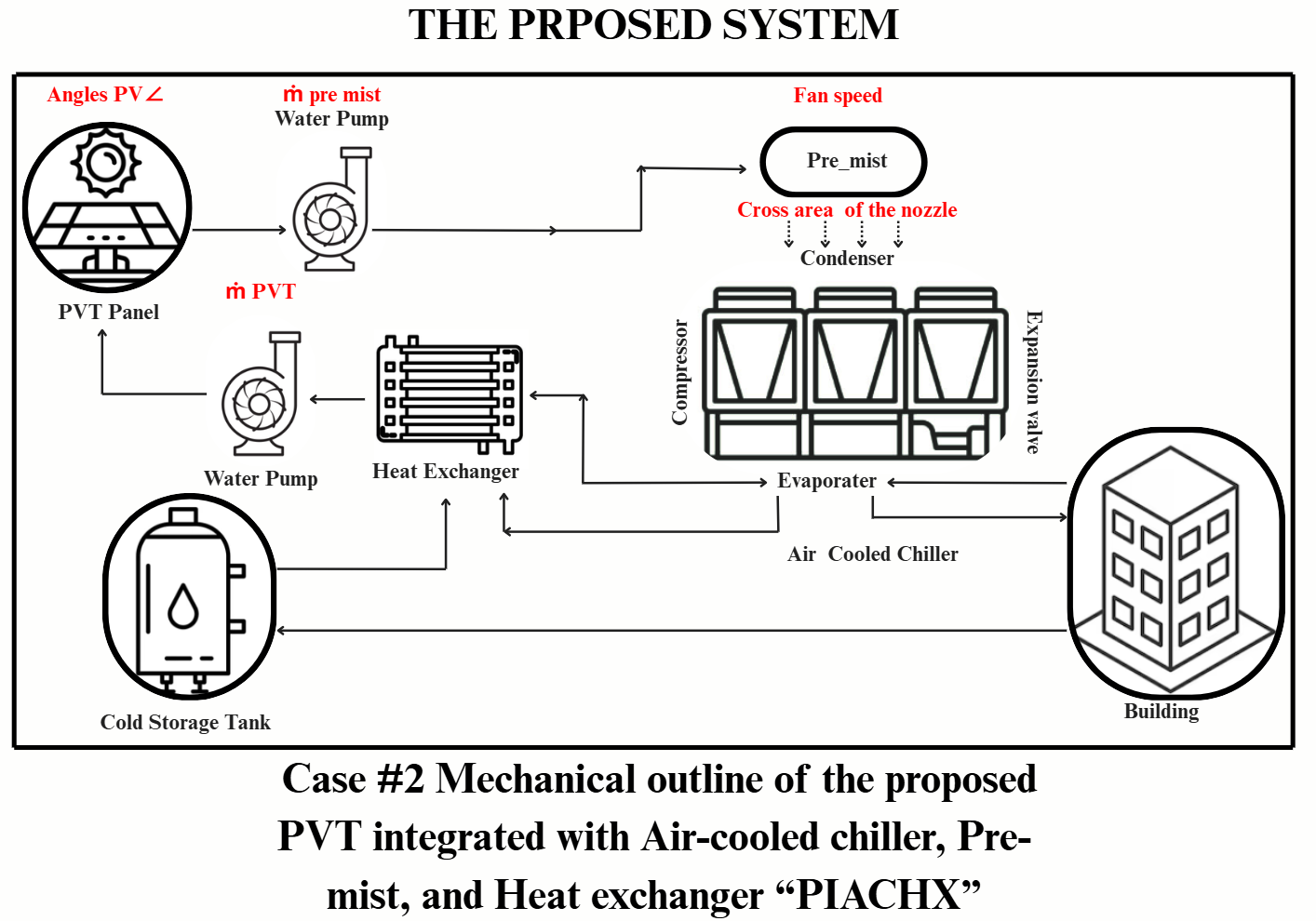
Figure 2: Mechanical outlines of the existing PV system with air-cooled chiller (Case 1) and the proposed PVT system integrated
with air-cooled chiller, pre-mist system, and heat exchanger (Case 2).
How was the project developed?
The administrative building of the Special Communications Commission in the capital Amman was chosen as a case study where local climate and energy data specific to the selected location was analyzed.Our approach included the following:
- Designing a detailed Simulink model available via MATLAB Online of the hybrid proposed system
- Modeling each subsystem; PV panel, thermal collector, mist cooling, and air-cooled chiller
- Integrating real-time weather and solar irradiance data into the system from Nasa Power data website.
- Utilizing the CoolProp library for an accurate calculation of fluid thermodynamic properties, which enhance the precision of thermal and cooling subsystem simulations.
- Each subsystem was initially analyzed independently, after which all subsystems were integrated to form the complete representation of the proposed hybrid system.
The Role of MATLAB/ Simulink
MATLAB and Simulink were essential at every stage in this project, as the dynamic behavior of energy flow, cooling demand, and thermal output was modelled in real time using Simulink. The precise geographic coordinates of the chosen case study building were synchronized with real-time temperature and solar radiation data obtained from NASA POWER data website, as this method made sure that the effects of climate change on the PVT system’s and the air-cooled chiller’s performance were accurately represented, also the graphical results made it easier to analyze system behavior under variable climate conditions and performance improvements were calculated using a variety of statistical tools, and graphs of electrical and thermal efficiency were displayed. We were able to create a dependable and scalable hybrid energy model by seamlessly integrating electrical, thermal, and mechanical subsystems using Simulink’s modular block approach.
Building on this technical foundation, the project’s robust simulation and analysis capabilities were recognized on a broader stage. Our team had the privilege of showcasing this hybrid PVT system at the 12th National Technology Parade in Jordan, an event that brings together innovative engineering solutions from across the kingdom. By leveraging MATLAB’s advanced documentation and specialized toolboxes, we could validate our findings against industry standards, ensuring that our model remains a viable reference for future sustainable energy research. For more highlights and updates from the competition, you can visit the official National Technology Parade Facebook page.
Results:
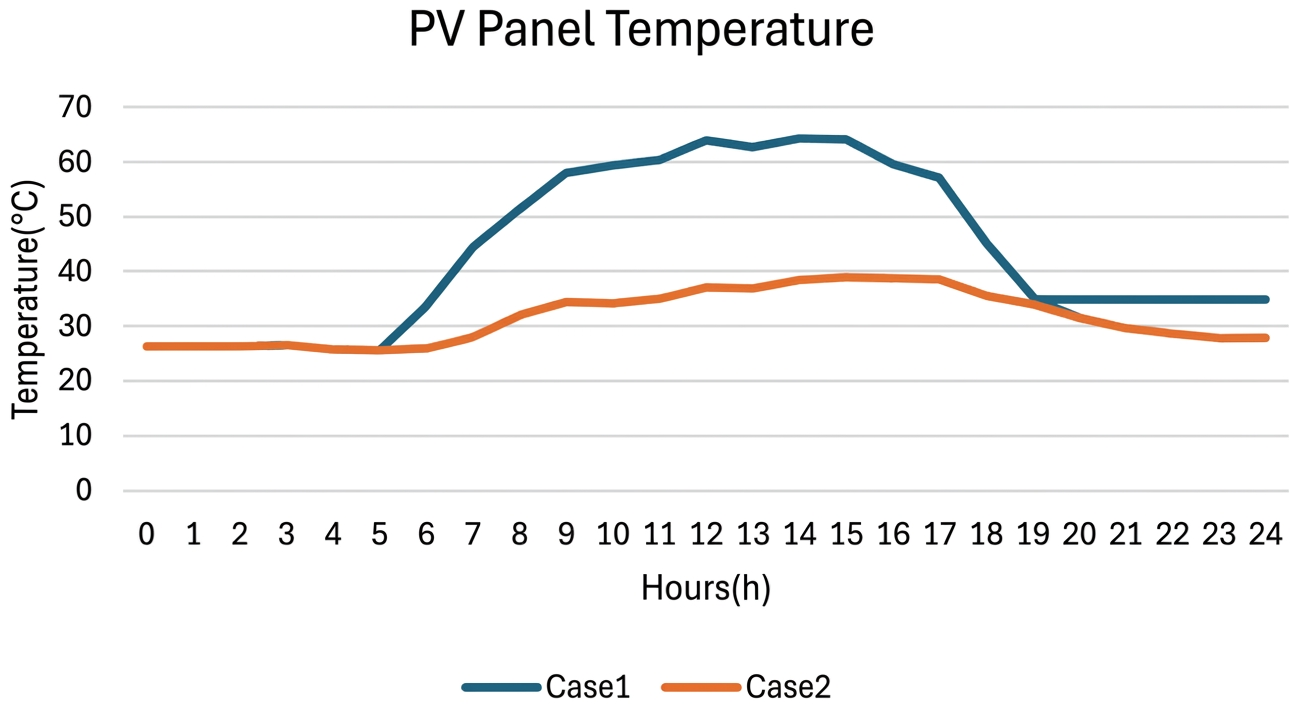
Figure 3: Temporal variation of PV panel cell temperature.
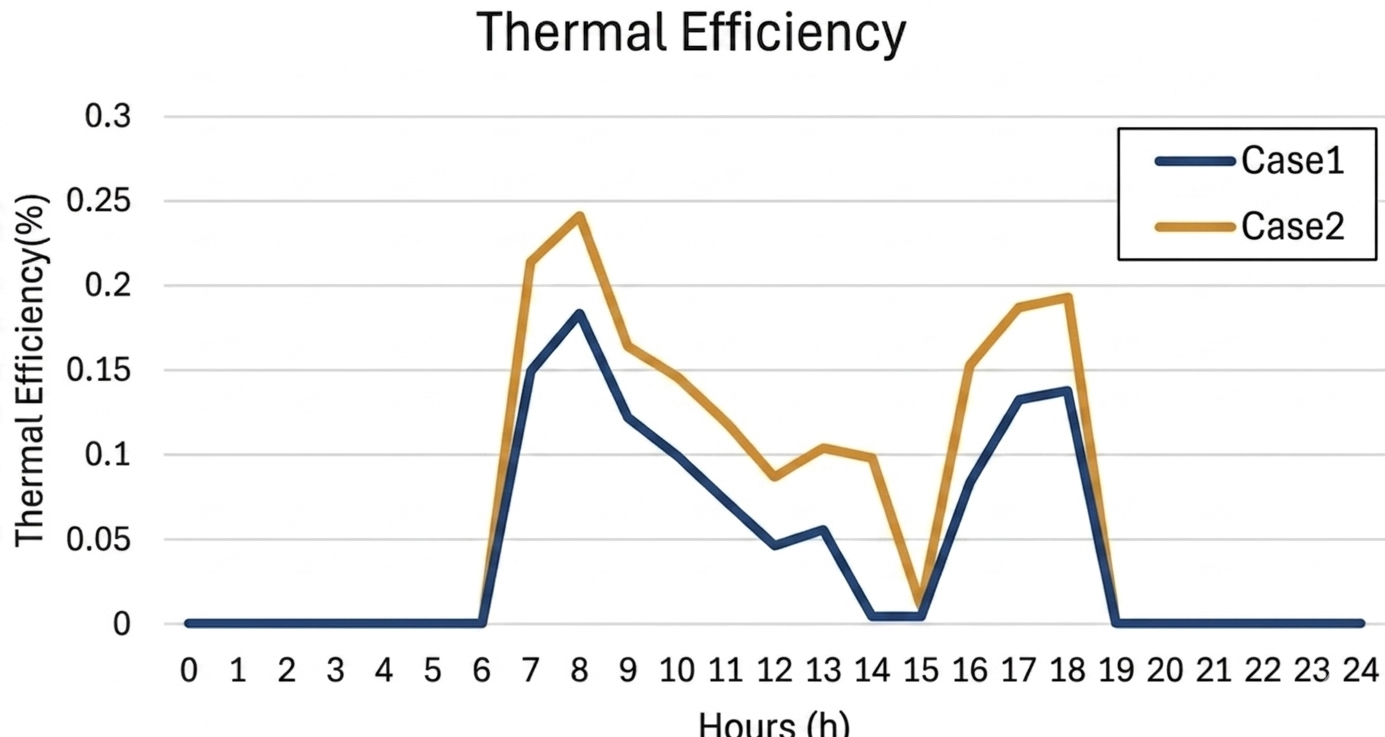
Figure 4: Temporal variation of thermal efficiency.
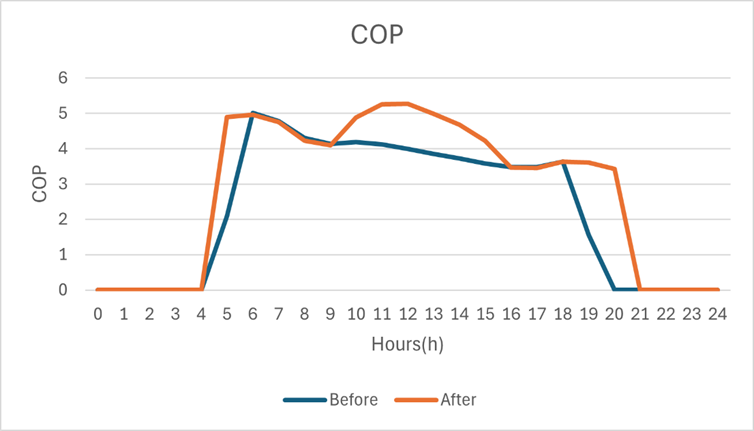
Figure 5: The COP variation for the baseline (without mist) and hybrid case (with mist and air-cooled chiller).
As shown in Figure 5, the coefficient of performance (COP) improves between hours 9 and 15 due to the operation of the pre-mist system, with an increase of about 12.32% compared to the baseline case. Additionally, the COP in the ‘after’ case remains non-zero for an extra hour due to the effect of the pre-mist cooling, which maintains lower operating temperatures and allows the system to continue operating efficiently for a longer duration.This result is close to findings in similar studies, which reported a 14.54% improvement. The slight difference is due to the selection of parameters to balance electrical efficiency, thermal efficiency, COP, and water consumption. Furthermore, Figure 3 shows that the PV panel temperature decreases by 29.3% in Case 2, leading to an increase in electrical efficiency of 9.48% as illustrated in Figure 4.
Conclusion
The hybrid PVT-chiller system is a promising integration of renewable energy and cooling technologies, especially in hot climates such as Jordan’s. Through MATLAB and Simulink, we were able to model, simulate, and optimize a hybrid PVT system that can significantly reduce cooling costs while boosting solar efficiency. The following results were obtained throughout the course of our work:
- The coefficient of performance (COP) improved by 14.32%.
- The temperature of the solar PV panels decreased by 29.3%.
- Electrical efficiency improved by 12.1%.
- The thermal efficiency of the proposed hybrid system reached 40.3%.
- The CO2 reduction was approximately 5.85 TN/Year.
The most relevant limitation of this system is the water consumption rate of 235 liters/day. Especially in a climate as dry as Jordan’s, this is not sustainable. Our project demonstrates the potential of simulation tools to translate engineering concepts into practical and sustainable solutions. We are sharing this work and look forward to contributing to further innovations in hybrid PVT systems worldwide.
Looking Ahead
Our next objective is to move from simulation to practical implementation, building on the modelling stage. In order to accurately depict energy demands and cooling requirements, the system was designed using data from a real commercial building in Amman, Jordan, which included real climate and load conditions.
The high water consumption of the mist cooling system integrated with the PVT unit was one of the main constraints we faced during the analysis. In Jordan’s water-scarce environment, the current model’s estimated daily water usage of 235 liters is unsustainable for large-scale or long-term operations. One of the main objectives for future development is to lower this consumption by using smart control algorithms, intermittent misting, or other passive cooling techniques. In the next phase of our work, we plan to:
- To improve system reliability and lessen dependency on the grid during peak hours, incorporate battery storage into the load shifting model.
- Create and test AI-based control algorithms to forecast cooling demand, optimize energy flows, and dynamically modify chiller and misting operations in response to current environmental conditions.
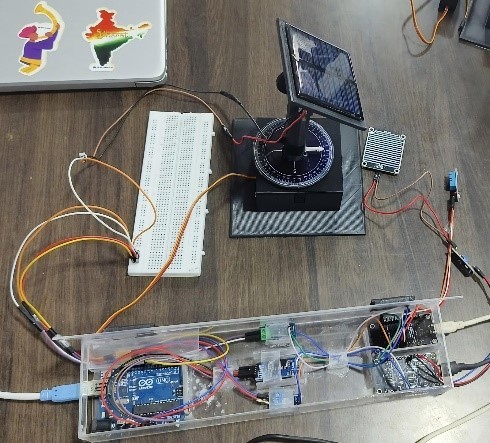
- Work with regional academic and industrial partners to advance experimental prototyping with the goal of validating the model in real-world settings.
- Look into opportunities for technology transfer and commercialization, particularly through collaborations with Jordanian energy efficiency and sustainability programs.
- Examine the system’s payback period and long-term environmental benefits, as well as its economic viability with lower water consumption.
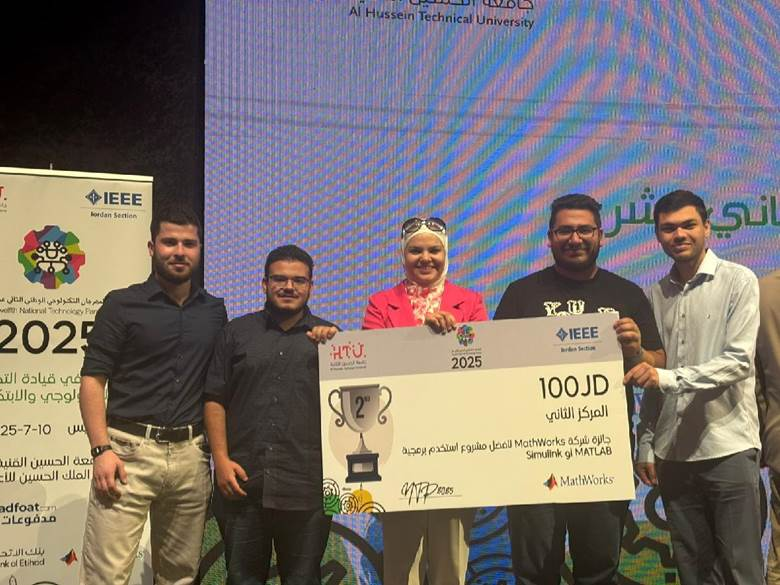
Figure 6: Our team was awarded second place for Best Use of MATLAB & Simulink by MathWorks at the Twelfth National Parade for Technology Competition.



Comments
To leave a comment, please click here to sign in to your MathWorks Account or create a new one.