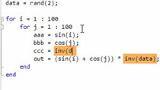
A statement like this: a = sin(x) + cos(y) + inv(z); makes it impossible to know which part of the calculation is the bottleneck. This video shows how to determine what is slowing your code… 더 읽어보기 >>

A statement like this: a = sin(x) + cos(y) + inv(z); makes it impossible to know which part of the calculation is the bottleneck. This video shows how to determine what is slowing your code… 더 읽어보기 >>
Nathan over at FlowingData.com had a post that explains what visualization to use in different situations. Ultimately he linked to this chart from Andrew Abela of The Extreme Presentation(tm)… 더 읽어보기 >>

I have been reading the MATLAB questions in Stack Overflow for a few weeks, and here was a really good question that came through. With two vectors, x and y, bin the x values as if with a… 더 읽어보기 >>
My last post talked about finding MATLAB code from other people so that you do not have to reinvent it yourself. Eric, the author of the code I modified, challenged me to create “a new Matlab… 더 읽어보기 >>
I love a good visualization of data, and often cringe when I see data in a table that would be much more effective as a graph. As with many people in Boston today, I am trying to decide what to do… 더 읽어보기 >>
MATLAB challenges get thrown around the halls of The MathWorks with fair regularity. I thought this most recent one would make a good puzzler.
You have a matrix that has 3xN rows and you want to… 더 읽어보기 >>
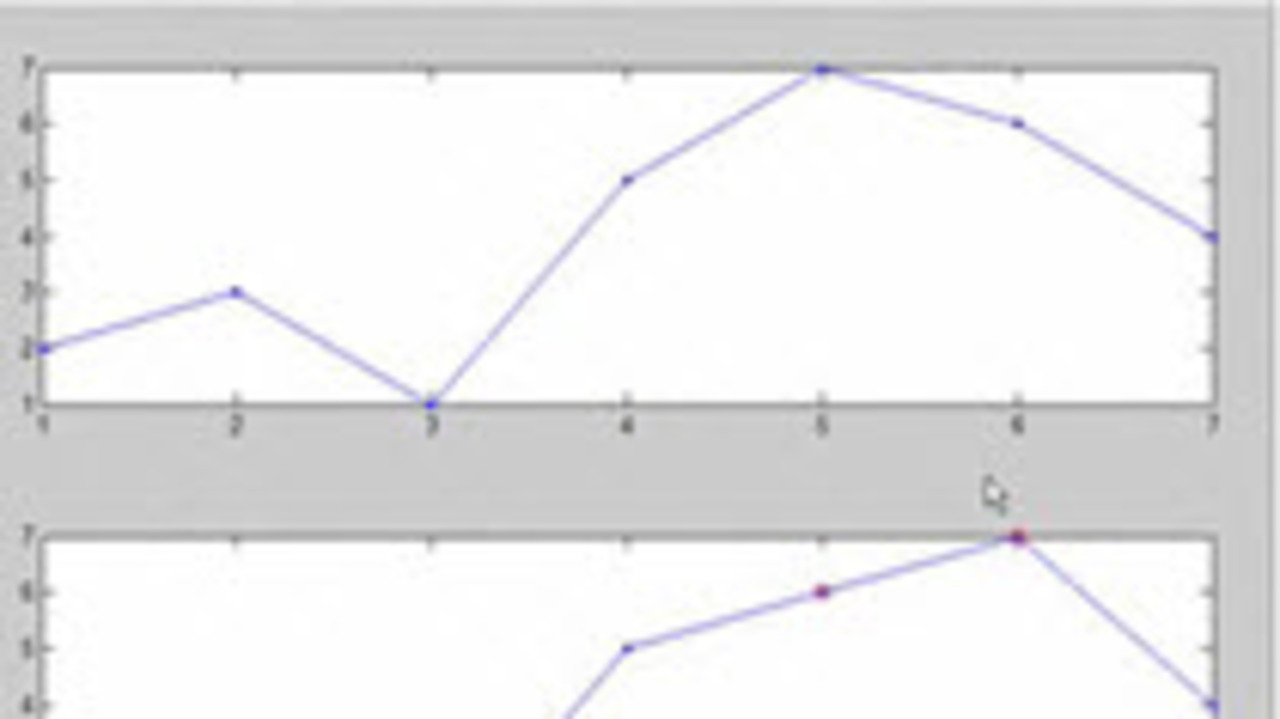
A question came up on the MATLAB newsgroup about debugging a sorting algorithm. I thought this was an excellent opportunity to show how visualization of intermediate results would help to determine… 더 읽어보기 >>
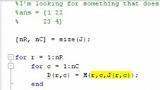
The MATLAB user has this: clear clc M(:,:,1) = [1,2;3,4]; M(:,:,2) = [21,22;23,24]; J = [1,2; 2,1]; They want this: ans = [1 22 23 4] They tried this: D = M(:,:,J) % This doesn’t… 더 읽어보기 >>
Talking through your code is an excellent way to find bugs. By discussing the code you have written line by line, you are forced to understand it better. This is a common practice at most software… 더 읽어보기 >>
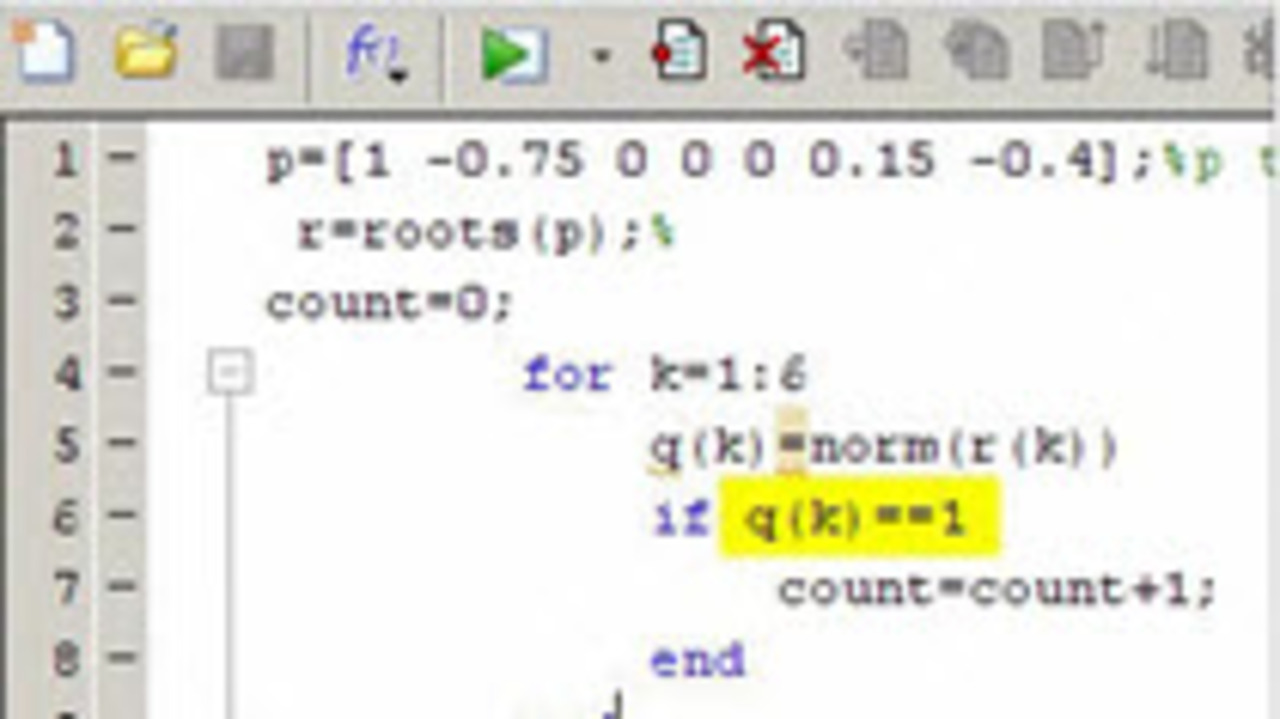
Sometimes you will do a calculation where the answer looks like ‘0’ or ‘1’ or some other number like that. The natural thing to do is to do a test like this: if (answer ==… 더 읽어보기 >>
이 게시물은 작성자 개인의 의견이며, MathWorks 전체의 의견을 대변하는 것은 아닙니다.